


Where is AI stored?
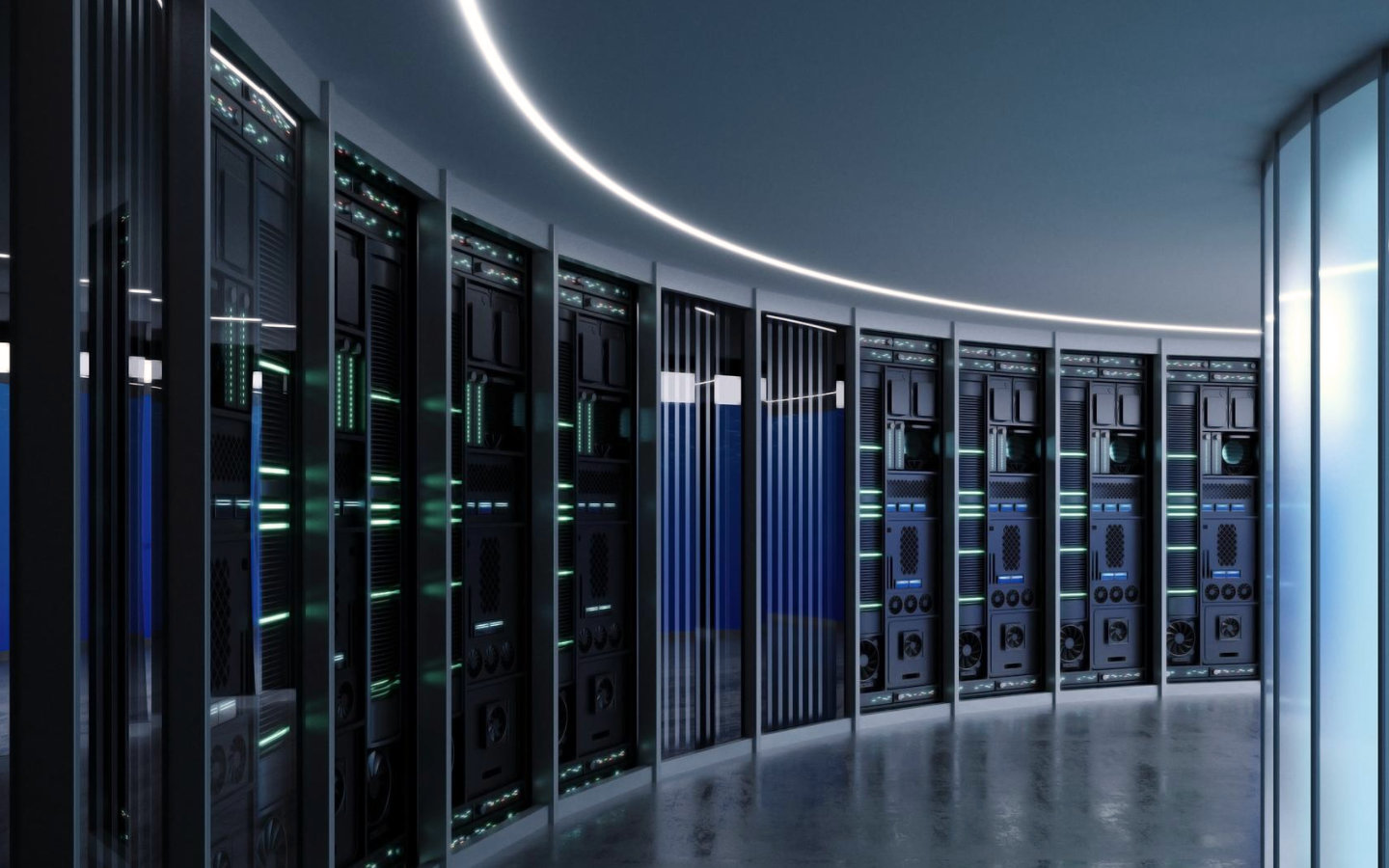
AI doesn’t live in a single place. Instead, it’s scattered across the world, tucked away in massive data centers and cloud servers. When you ask a question or upload a photo, your request travels to these remote locations, where powerful computers process the information.
Large cloud providers are built for this kind of global delivery. AWS says its infrastructure now spans 39 geographic regions and 123 availability zones. Google Cloud offers infrastructure locations across North America, South America, Europe, Asia, the Middle East, and Australia.
These AI storage locations are designed for both performance and resilience. Some companies keep sensitive AI data on their own private servers, while others rely on cloud platforms from Google, Microsoft, or Amazon that let them choose regions based on latency, compliance, and data residency needs.
Where your data goes when you use AI
Similar to the AI itself, the data that you put into AI, also goes to the cloud. Meaning that the conversations are stored on a server.
This depends a bit on how the company chooses to handle your data. Some AI services temporarily store your inputs only to generate a response, then delete or anonymize them shortly after.
Others may retain data for longer periods to improve their models, monitor performance, or detect misuse. This is usually outlined in their privacy policy and terms of service, though the level of transparency can vary significantly between providers.
These practices are closely related to AI and GDPR compliance, which governs how user data should be processed and stored in AI.
Where can AI data be stored?
AI data is the fuel that powers intelligent systems. But where does all this information actually live? Choosing the right AI data storage locations is crucial for performance, security, and scalability.
Let’s explore the main options available today and what makes each one unique.
Cloud storage
Cloud storage is one of the most popular AI data storage locations. It offers flexibility and scalability, letting you store massive amounts of data without worrying about physical hardware. Services like Amazon Web Services, Google Cloud, and Microsoft Azure provide secure environments with built-in redundancy.
Flexera reported that organizations are continuing to expand hybrid cloud strategies as AI adoption grows, showing how central cloud infrastructure has become to modern AI storage.
Services like Amazon Web Services, Google Cloud, and Microsoft Azure provide secure environments with built-in redundancy. This means your data is protected from loss and can be accessed from anywhere in the world.
On-premises servers
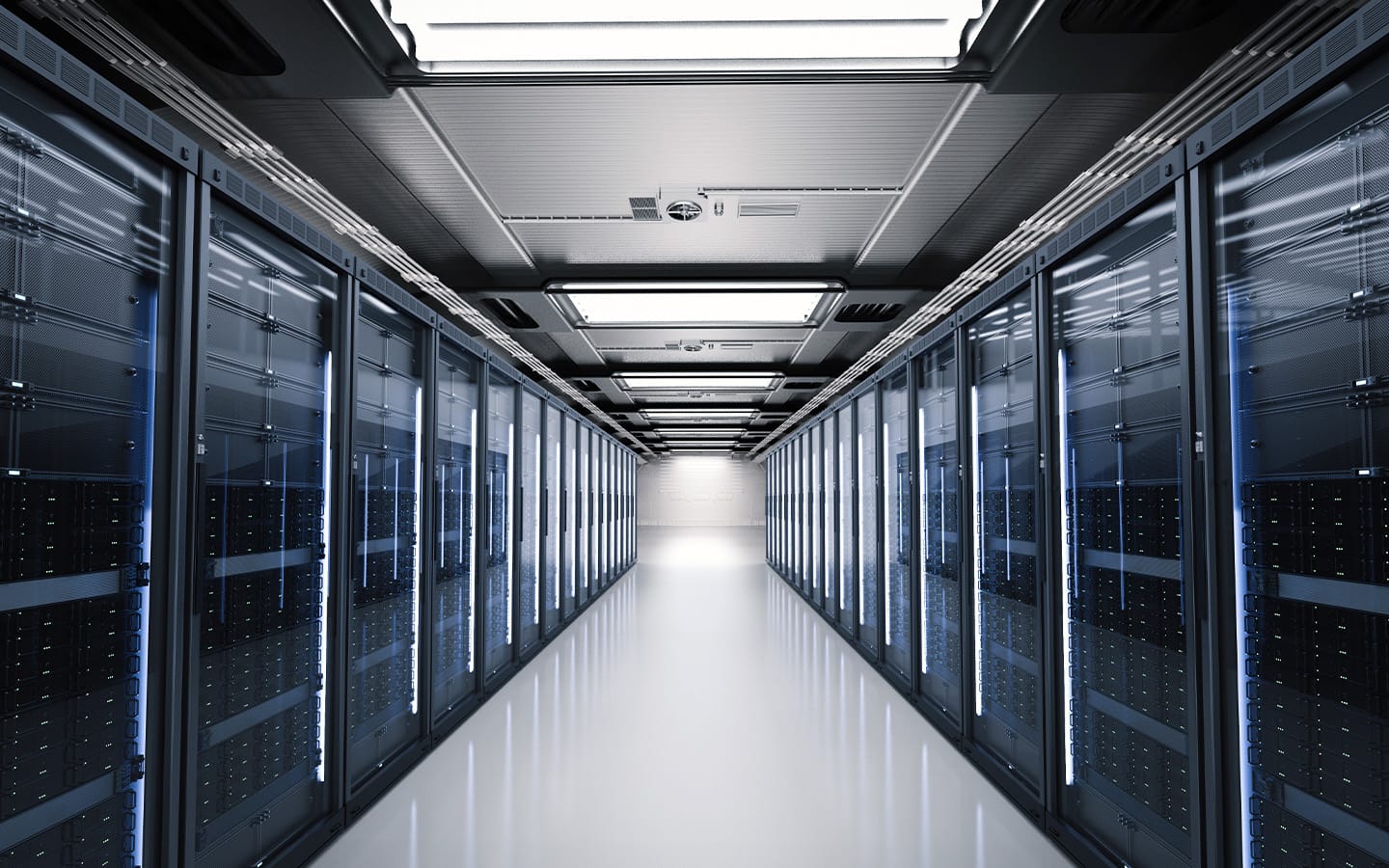
Some organizations prefer to keep their AI data close to home. On-premises servers are physical machines located within a company’s own facilities. These servers give businesses full control over their data and security protocols.
While this option can require significant upfront investment and ongoing maintenance, it’s ideal for companies with strict compliance requirements or sensitive information.
On-premises servers also allow for faster access speeds when data needs to be processed locally. This is making them a solid choice for certain industries.
Hybrid storage solutions
Hybrid storage combines the best of both worlds. It lets businesses use a mix of cloud and on-premises servers for their AI data storage locations. This approach provides flexibility, allowing sensitive data to stay on-site while less critical information moves to the cloud.
Hybrid solutions are especially useful for companies transitioning to the cloud or those needing to balance cost, speed, and security. By blending these two storage types, organizations can optimize their infrastructure for current and future needs.
Edge storage
Edge storage is gaining popularity as more devices generate data outside traditional data centers. With edge storage, AI data is stored and processed closer to where it’s created. Think of sensors, cameras, or IoT devices.
This reduces latency and enables real-time decision-making, which is essential for applications like autonomous vehicles or smart factories. Edge storage helps manage the flood of information produced by modern devices and ensures that only the most important data is sent back to central servers or the cloud.
How is AI information stored?
AI information is stored in a way that allows machines to learn, remember, and make decisions. The process is not as mysterious as it sounds. In fact, it’s a lot like how we store things in our own lives. These systems rely heavily on advances in AI reasoning to efficiently retrieve and use stored data.
AI data storage locations are the digital equivalent of these places, only much bigger and faster. Let’s take a closer look at how this works behind the scenes.
Memory and databases
The first place AI information goes is into memory and databases. Think of memory as the short-term recall your computer uses to keep track of what’s happening right now. This is where temporary data lives while an AI is running calculations or making predictions.
Databases, on the other hand, are more like a giant filing cabinet. Here, AI data storage locations can include cloud-based systems or physical servers, each holding vast amounts of structured information.
These databases store everything from customer preferences to historical trends, making it easy for AI to pull up exactly what it needs, when it needs it.

Files and data lakes
Not all information fits neatly into tables or rows. Sometimes, AI needs to work with images, videos, or huge piles of unstructured text. That’s where files and data lakes come in. Files are simple—just documents, pictures, or audio clips saved in folders.
Data lakes are much larger pools where all kinds of raw data are dumped together, waiting to be sorted and analyzed. These AI data storage locations are especially useful for machine learning projects that need to sift through mountains of information to find patterns.
The flexibility of data lakes means AI can access both organized and messy data, giving it a broader view of the world.
Specialized hardware and cloud solutions
As AI grows smarter, it also gets hungrier for space and speed. That’s why specialized hardware and cloud solutions have become so important.
Some companies use powerful chips called GPUs to speed up the process of storing and retrieving AI information. Others rely on cloud platforms, which offer almost unlimited storage and the ability to scale up or down as needed.
These modern AI data storage locations ensure that even the most complex models have room to grow and adapt. With the right mix of hardware and cloud, AI can handle anything from real-time language translation to analyzing global financial markets.
How to choose the right AI storage setup?
Not every business needs the same kind of AI storage. The best choice depends on how much data you have, how quickly it needs to be processed, and how sensitive that information is.
A startup training an AI chatbot will have very different needs than a hospital using AI to analyze patient records. That is why choosing the right setup is less about picking one “best” option and more about finding the right fit.
Storage needs depend on the use case
The first thing to look at is how the AI system will be used. Some tools only need to store text prompts and short conversations. Others must handle huge volumes of images, videos, sensor data, or customer records. The larger and more complex the workload becomes, the more important it is to have storage that can grow with it.
A company using AI for simple automation may do well with standard cloud storage. But a business running real-time systems may need edge or hybrid storage to reduce delays and improve performance.
Security and compliance matter
Data protection is one of the biggest parts of AI storage planning. If an organization handles personal, financial, or medical information, it needs to think carefully about where that data is stored and who can access it. In these cases, on-premises or region-specific cloud storage may be the safer option.
Security also includes encryption, access controls, backups, and clear retention policies. It is not enough to simply store AI data. Companies also need to protect it throughout its full lifecycle.
Scalability shapes long-term success
AI projects often start small and grow quickly. A system that works well with a few thousand records today may struggle when it needs to process millions tomorrow. That is why scalability is such an important part of choosing AI data storage locations.
Cloud and hybrid systems are often attractive because they allow businesses to expand without replacing their whole infrastructure. This makes it easier to support future growth, new AI tools, and changing customer demands.