
How does AI harm the environment?
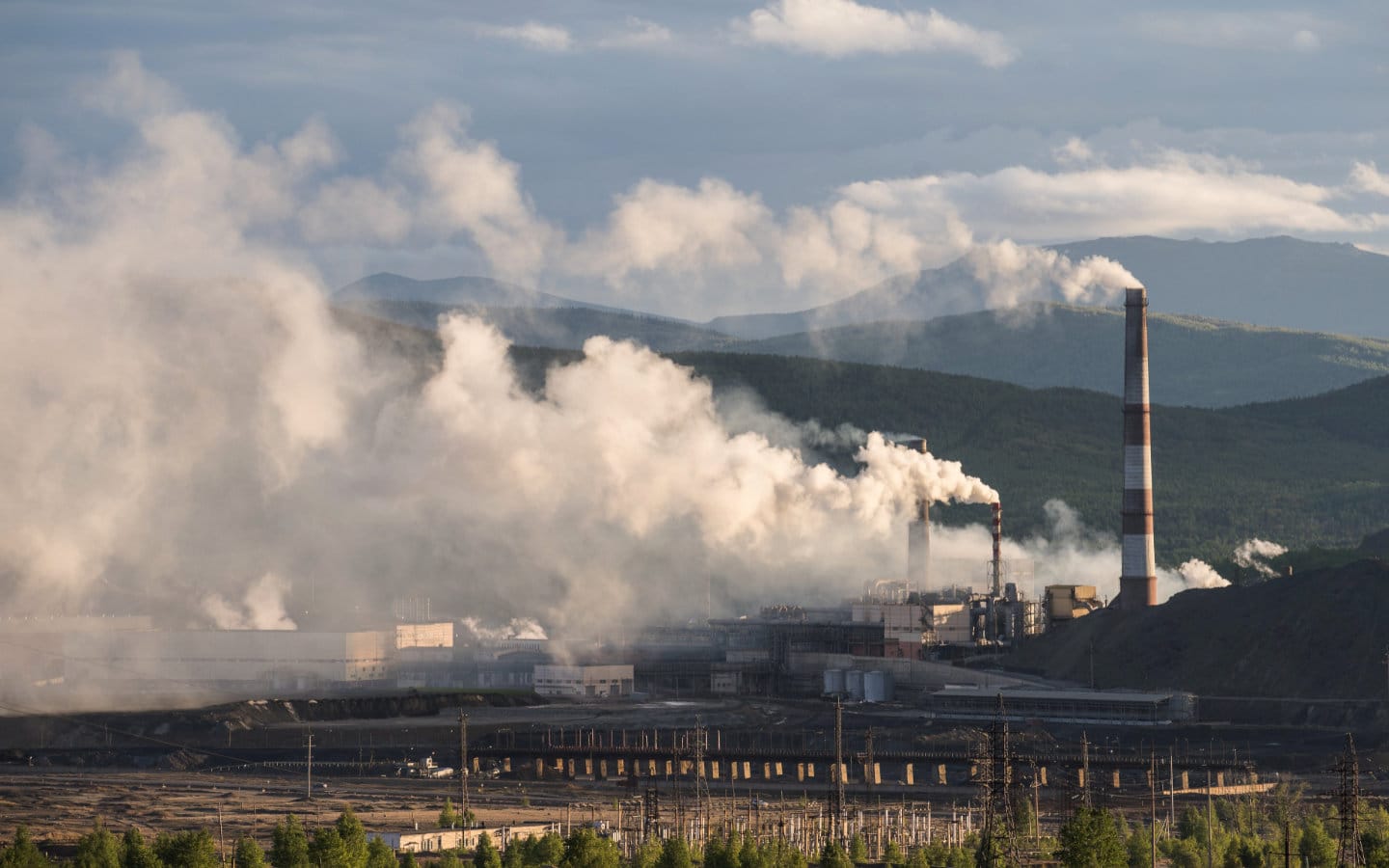
Training large AI models uses massive amounts of electricity. Data centers run day and night, keeping servers cool and ready for action. This energy often comes from non-renewable sources, which adds to pollution and carbon emissions.
Data centres already used around 415 terawatt-hours of electricity in 2024, or roughly 1.5% of global electricity demand, and the International Energy Agency expects that total to climb sharply as AI expands.
And the problem is growing fast. The International Energy Agency says global data centre electricity use has been rising by about 12% per year since 2017 and could reach roughly 945 terawatt-hours by 2030, more than double 2024 levels.
The environmental harm does not end once the electricity is used. AI depends on servers, chips, and networking hardware built from mined materials and replaced on short upgrade cycles, which adds to global electronic waste.
According to the Global E-waste Monitor 2024, the world produced a record 62 million tonnes of e-waste in 2022, and only a relatively small share was formally recycled.
What are the environmental impacts of AI?
Artificial intelligence is changing the world, but it’s not just about smarter machines or faster answers. The rise of AI comes with a hidden cost that stretches far beyond the present moment.
As we build more powerful systems, train larger models, and rely on data centers to keep everything running, the environment feels the impact.
Let’s look at how using AI shapes our planet’s future and what that means for generations to come.
Energy consumption and carbon footprint
Every time you ask an AI to generate a story, translate a sentence, or recognize a face, there’s a lot of activity behind the scenes. Data centers filled with thousands of servers spring into action, drawing electricity to process your request.
Training large AI models can take weeks or even months, using as much energy as dozens of households might consume in a year. Training an AI model can produce about 626,000 pounds of carbon dioxide. This is the same as 300 flights between New York and San Francisco.
Most of this power still comes from fossil fuels, which means every calculation leaves a trace of carbon in the atmosphere. Over time, as AI becomes more common and models grow even bigger, the total energy demand keeps climbing, emphasizing the need for sustainable AI practices.
Electronic waste and hardware lifecycle
AI doesn’t just live in the cloud. It relies on physical machines, servers, GPUs, and specialized chips, that have their own environmental stories.
These devices are built from rare minerals and metals, extracted from the earth through mining processes that can scar landscapes and pollute water sources. As technology advances, older hardware quickly becomes obsolete, leading to mountains of electronic waste.
Disposing of these components isn’t easy. Many end up in landfills, where toxic substances can leach into soil and groundwater.
The cycle of constant upgrades and replacements means that the environmental burden of AI hardware will only grow over time unless new solutions for recycling and sustainable design are found.
Water usage and cooling demands
Keeping AI running smoothly isn’t just about electricity. Data centers generate a lot of heat, and cooling them down requires vast amounts of water. It is expected that global AI demand is will consume 4.2-6.6 billion cubic meters of water by 2027.
In regions already facing water scarcity, this extra demand can put pressure on local supplies, affecting both people and ecosystems. As AI adoption spreads and more data centers are built, the competition for water resources could intensify, further underscoring concerns around AI water consumption.
Long-term, this raises questions about how to balance technological progress with the need to protect vital natural resources. Finding ways to cool data centers more efficiently or use alternative methods could help reduce this impact.
Resource extraction and supply chain pressures
The story of AI begins long before a model is trained or a server is switched on. It starts with the raw materials needed to build the hardware.
Mining for lithium, cobalt, and other essential elements often takes place in fragile environments, sometimes with little regard for local communities or wildlife.
The global supply chain that brings these materials together is complex and energy-intensive, involving transportation, processing, and manufacturing at every step. As demand for AI-capable devices grows, so does the pressure on these resources.
Over the long term, this could lead to shortages, higher prices, and increased environmental degradation unless more sustainable practices are adopted.

Minimizing AI’s environmental impact
As AI becomes more integrated into everyday life, finding ways to reduce its environmental impact is becoming increasingly important.
While the technology offers transformative potential, it also comes with significant costs to the planet. Addressing these challenges early can help ensure a more sustainable future for innovation.
Smarter training and leaner models
Training large AI models can consume enormous amounts of energy. But not all models need to be massive to be effective. By focusing on leaner architectures, researchers can reduce training times, lower electricity use, and still deliver strong performance.
Another key strategy is reusing pre-trained models instead of building new ones from scratch. Fine-tuning existing models for specific tasks uses far fewer resources, cutting down both emissions and hardware strain.
Cleaner energy and greener data centers
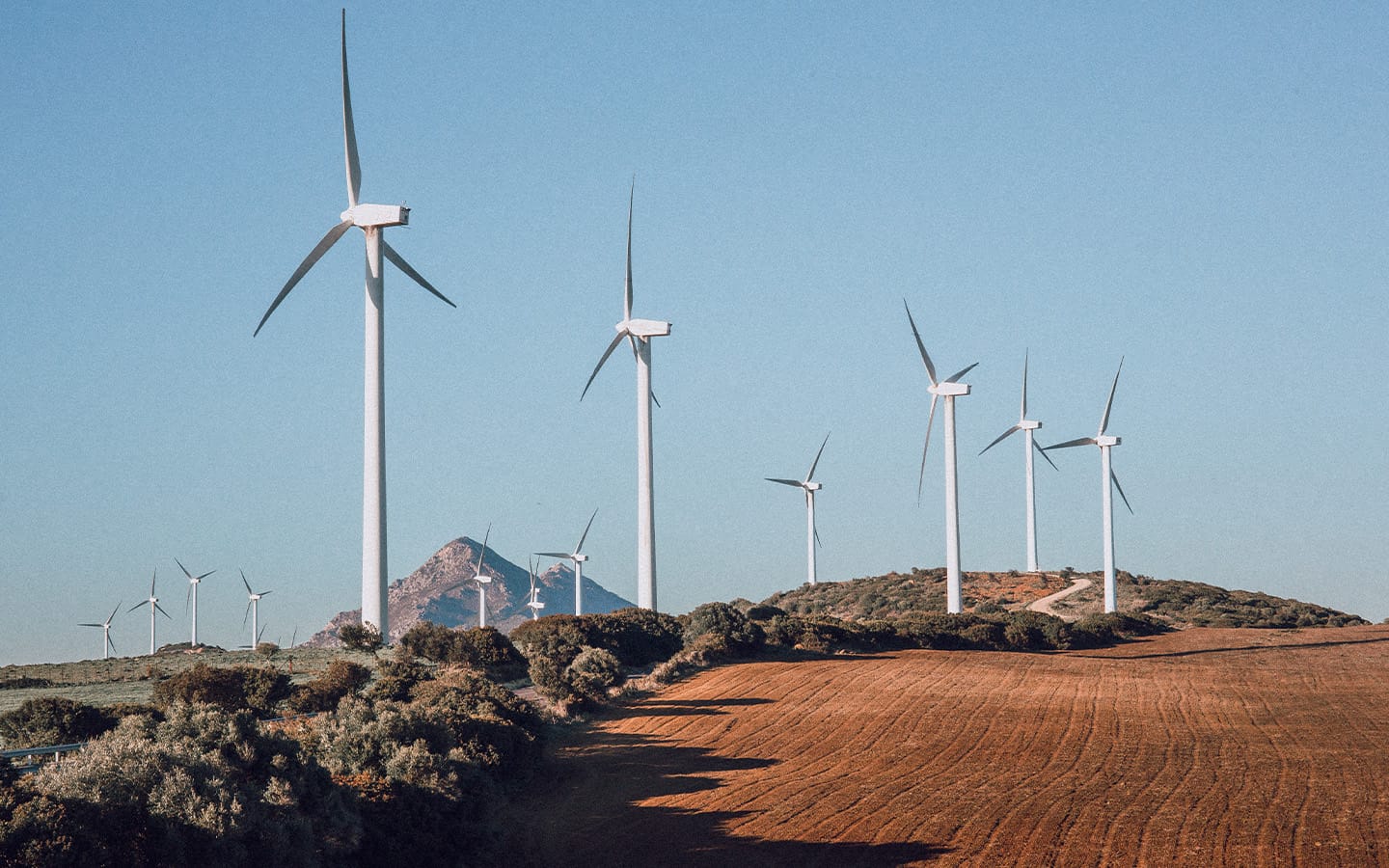
Switching to renewable energy sources is one of the most direct ways to cut AI’s carbon footprint. Data centers powered by wind, solar, or hydropower generate fewer emissions and ease the environmental burden.
In addition to using cleaner energy, designing data centers with energy efficiency in mind, through better insulation, smart cooling systems, or even situating facilities in colder climates, can help reduce overall resource use.
What individuals can do
Lastly, while most environmental impacts from AI stem from large-scale infrastructure, individual choices does still matter.
Users can opt for digital tools and services that are optimized for efficiency or powered by renewable energy. Supporting companies that prioritize sustainability can help shift industry norms.
Being mindful about how and when AI is used, like reducing unnecessary queries or avoiding overuse of generative tools, can also contribute to lower energy demand. As awareness grows, collective small actions can reinforce the push for greener, more responsible AI development.
The environmental harm of AI in the years ahead
Artificial intelligence is growing fast, and its environmental impact is likely to grow with it. While much of the discussion focuses on energy use, water consumption, and electronic waste, there is also a bigger long-term issue to consider.
As AI becomes more powerful and more widely used, the harm it causes to the environment could spread across many parts of society. This makes it important to look beyond today’s challenges and think about how AI may affect the planet in the years ahead.
Rising demand could increase environmental pressure
As more businesses, schools, and households begin using AI tools, the demand for computing power will continue to rise. This means more servers, more data centers, and more infrastructure will be needed to support everyday AI use. Even small tasks can add up when millions of people use them every day.
Over time, this growing demand could put even more pressure on electricity grids, water supplies, and raw materials. If this expansion continues without better planning, the environmental harm of AI may become much harder to control.
Faster growth may lead to more waste
The rapid pace of AI development also creates another problem. Hardware becomes outdated quickly. Companies often replace chips, servers, and other equipment to keep up with more advanced systems. This can lead to more electronic waste and more pressure on mining and manufacturing.
If old equipment is not reused or recycled properly, the long-term damage can become serious. More waste means more pollution, more landfill use, and more harmful materials leaking into the environment.
Long-term choices will shape the future
The future environmental harm of AI will depend on the choices made now. If companies and governments focus only on growth, the damage could increase year after year. But if sustainability becomes part of AI development from the start, some of these risks can be reduced.
Using cleaner energy, building longer-lasting hardware, and creating more efficient systems can all help limit future harm. The long-term impact of AI is not fixed, but it will depend on whether innovation is matched with responsibility.




 English
 Dutch
Dutch