
What are the costs of ISO 27001?
The overall ISO 27001 costs depend on the organization’s size, current security maturity, and scope of certification. ISO 27001 certification typically costs between $5,000 and $50,000.
Understanding the different elements that make up ISO 27001 pricing is essential for anyone planning to achieve certification. Below, we break down the main areas where costs can arise, so you can get a clearer picture of what to expect.
Certification body charges
One of the most significant components of ISO 27001 costs is the fee paid to the certification body. This is the organization that will audit your information security management system and decide if it meets the requirements of the standard. Certification body charges are typically based on the number of employees, the scope of your ISMS, and the complexity of your operations.
These fees usually cover both the initial certification audit and the surveillance audits that follow in subsequent years. It’s important to note that not all certification bodies charge the same rates, so it pays to compare ISO 27001 pricing from several providers.
Some may offer bundled packages, while others itemize each part of the process. Always ask for a detailed breakdown of ISO 27001 fees before making a decision.
Internal resource allocation
Another often overlooked aspect of ISO 27001 expenses is the time and effort required from your own staff. Implementing ISO 27001 is rarely a task for a single person. It typically involves a cross-functional team that includes IT, HR, legal, and operations.
The hours spent on documentation, risk assessments, training, and internal audits can add up quickly. While these costs may not appear as direct charges on an invoice, they represent a real investment of your organization’s resources.
For some companies, this internal resource allocation can be the largest part of their overall ISO 27001 implementation cost. Planning for this early on can help avoid surprises later in the process.
Consultancy and external support
Many organizations choose to bring in external consultants to guide them through the ISO 27001 journey. Consultants can help with gap analysis, policy development, risk assessment, and even staff training.
The cost of consultancy services can vary dramatically depending on the level of support you need and the experience of the provider. Some consultants charge by the hour, while others offer fixed-fee packages for specific deliverables.
When considering ISO 27001 pricing for consultancy, it’s wise to clarify exactly what is included in the fee and whether there are any additional ISO 27001 charges for follow-up support or rework. External support can speed up the process and reduce the risk of costly mistakes, but it does add to the overall ISO 27001 expenses.
Training and awareness programs
A crucial part of achieving and maintaining ISO 27001 certification is ensuring that everyone in your organization understands their role in information security. This often means investing in training and awareness programs. Training costs can range from purchasing online courses for staff to organizing in-person workshops led by experts.
Some certification bodies and consultants include basic training as part of their ISO 27001 fees, while others treat it as an optional extra. The scale and depth of your training program will influence the total ISO 27001 implementation cost.
Remember, effective training not only helps with compliance but also reduces the likelihood of security incidents that could lead to even greater expenses down the line.

Technology and tool investments
Finally, many organizations find that achieving ISO 27001 requires new technology or upgrades to existing systems. This might include investing in risk management software, document control solutions, or enhanced cybersecurity tools.
The cost of these technologies can vary from affordable cloud-based subscriptions to significant capital expenditures for enterprise-grade platforms. When calculating ISO 27001 costs, it’s important to factor in both the initial purchase price and any ongoing maintenance or subscription fees.
Technology investments can streamline compliance efforts and make it easier to demonstrate conformity during audits, but they do add another layer to the overall ISO 27001 pricing structure.
Factors influencing ISO 27001 costs
The costs of ISO 27001 are shaped by a range of factors that go far beyond a simple price tag. Every organization faces a unique set of circumstances that can make ISO 27001 pricing look very different from one business to the next.
Understanding these influences is essential for anyone planning to embark on the journey toward certification. By looking closely at the elements that drive ISO 27001 expenses, you can better anticipate what your investment might look like and avoid unexpected ISO 27001 charges along the way.
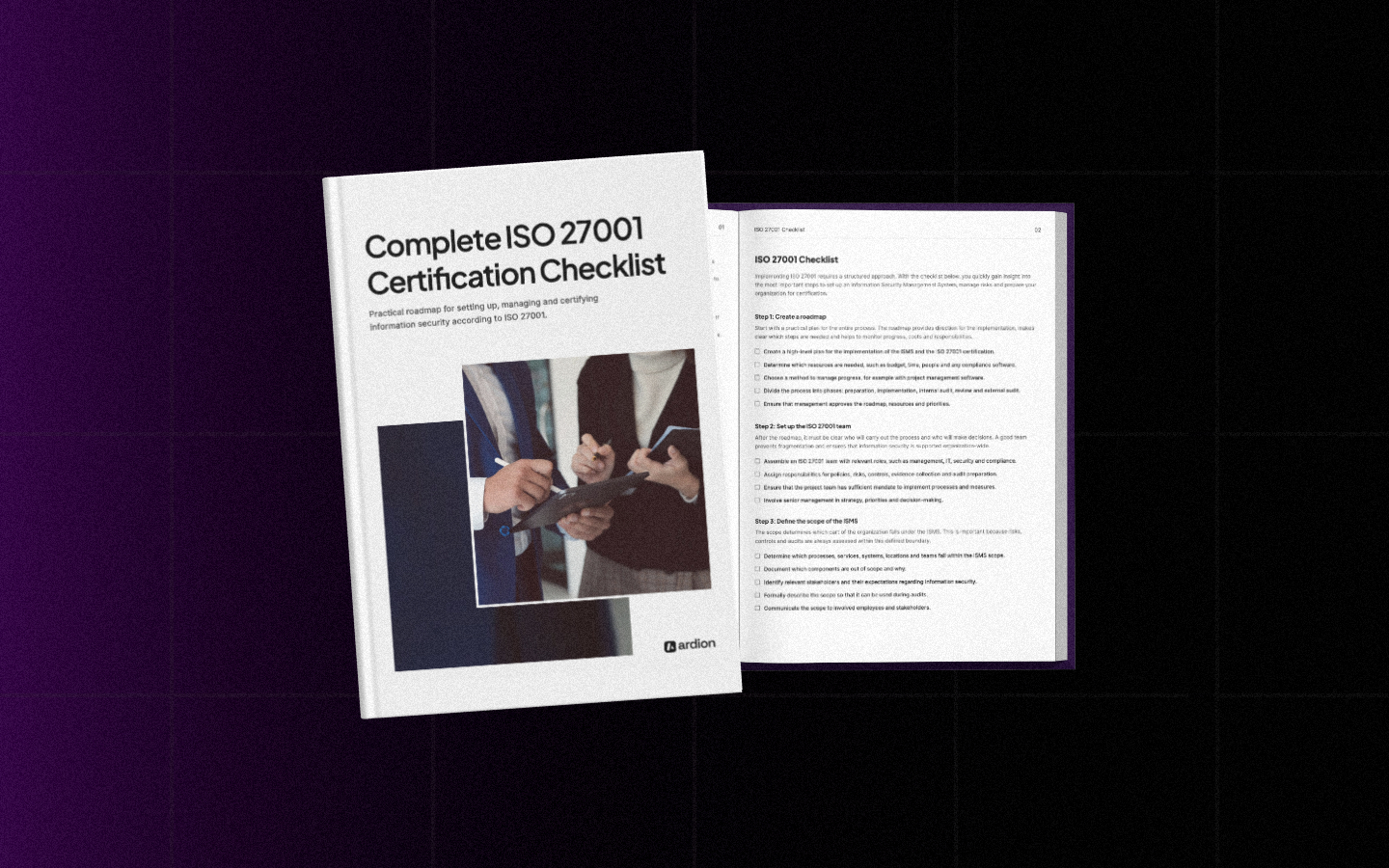
Learn how to prepare your organization for ISO 27001 certification with a clear and practical implementation checklist.
Organization size and complexity
The size and complexity of your organization play a major role in determining ISO 27001 costs. A small company with a single office and straightforward processes will typically face lower ISO 27001 fees than a multinational enterprise with multiple locations and intricate workflows.
The more employees, systems, and departments involved, the greater the effort required to map out information security risks and implement controls. This increased scope means more time spent on documentation, training, and internal audits, all of which add to the overall ISO 27001 implementation cost. Larger organizations may also need to invest in specialized tools or software to manage compliance across diverse teams, further increasing ISO 27001 expenses.
Level of existing information security maturity
Another key factor influencing ISO 27001 costs is your current level of information security maturity. If your organization already has robust policies, procedures, and technical safeguards in place, the gap to full compliance may be relatively small.
In this case, ISO 27001 pricing will reflect the reduced effort needed to align with the standard’s requirements. On the other hand, if you are starting from scratch, expect higher ISO 27001 fees as you build new frameworks, train staff, and introduce new technologies. The initial assessment phase will reveal how much work is needed, and this directly impacts both the timeline and the ISO 27001 expenses you should budget for.
Choice of external support and certification body
Your selection of consultants, auditors, and certification bodies can significantly affect ISO 27001 charges. Some organizations choose to handle most tasks internally, relying on their own expertise to minimize ISO 27001 implementation cost.
Others bring in external consultants to guide them through every step, which can increase ISO 27001 fees but may speed up the process and reduce risk. The reputation and experience of your chosen certification body also influence ISO 27001 pricing, with well-known providers often charging premium rates.
How to budget for ISO 27001
Budgeting for ISO 27001 is all about understanding the full scope of what you need and planning your resources accordingly. Instead of guessing, you can break down the process into manageable steps that help you anticipate ISO 27001 costs, avoid surprises, and make sure your investment brings real value.
By mapping out each phase and considering both direct and indirect expenses, you’ll be able to create a realistic budget that supports your certification journey from start to finish.
1. Identifying all cost categories
The first step in budgeting for ISO 27001 is to identify every category where expenses might arise. This means looking beyond the obvious ISO 27001 fees for audits and certification.
Consider internal costs like staff training, time spent on documentation, and any technology upgrades needed to meet compliance requirements. Don’t forget external ISO 27001 charges such as hiring consultants or purchasing specialized software, especially if you’re comparing ISO 27001 vs SOC 2 to confirm which assurance route fits your organization.
By listing every possible area where ISO 27001 expenses could occur, you build a foundation for a comprehensive budget that leaves no stone unturned.
2. Estimating resource allocation
Once you know where the money will go, it’s time to estimate how much of each resource you’ll need. This includes not just financial resources but also people and time.
For example, how many hours will your team spend preparing for an audit? Will you need to bring in outside experts to guide you through the ISO 27001 implementation cost? Assigning estimated values to each resource helps you understand the true scale of your ISO 27001 pricing and prevents underestimating hidden costs.
It’s important to revisit these estimates regularly as your project evolves, so your budget stays accurate.
3. Setting up a phased spending plan
Rather than trying to cover all ISO 27001 costs upfront, break your budget into phases that match the stages of your implementation. Start with initial assessments and gap analyses, then move to policy development, training, and finally the certification audit itself.
Each phase will have its own set of ISO 27001 fees and related expenses. By spreading out your spending, you can manage cash flow more effectively and adjust your approach if unexpected ISO 27001 charges arise.
This phased approach also makes it easier to track progress and justify investments to stakeholders.

4. Building in contingency funds
No matter how carefully you plan, there will always be surprises along the way. That’s why it’s essential to include a contingency fund in your ISO 27001 budget.
This reserve should cover unforeseen ISO 27001 expenses, such as additional training needs, delays in implementation, or changes in regulatory requirements. A good rule of thumb is to set aside a percentage of your total ISO 27001 implementation cost as a buffer.
This way, you’re prepared for the unexpected without derailing your entire project. Being proactive with contingency planning ensures your ISO 27001 pricing remains under control, even when things don’t go exactly as planned.
Ways to reduce ISO 27001 costs
Reducing ISO 27001 costs is possible with the right approach and a bit of creativity. Many organizations worry about ISO 27001 pricing, but there are practical ways to keep expenses in check without compromising on quality or compliance.
By making smart choices at each stage of your ISO 27001 journey, you can lower fees and avoid unnecessary charges. Here are three effective strategies to help you manage ISO 27001 implementation cost more efficiently.
Leverage internal expertise
One of the most overlooked ways to reduce ISO 27001 costs is to make the most of your existing team’s skills. Instead of relying solely on external consultants, identify employees who already have experience with information security or compliance.
These team members can take on key roles during the implementation process, such as conducting risk assessments or drafting policies. By investing in targeted training for these individuals, you can build in-house knowledge that pays off both now and in the future.
This approach not only lowers ISO 27001 fees but also creates a culture of security awareness throughout your organization.
Automate documentation and monitoring
Manual processes can quickly drive up ISO 27001 expenses, especially when it comes to maintaining documentation and tracking compliance activities. Automation tools designed for ISO 27001 can streamline everything from policy management to audit preparation, and selecting the best ISO 27001 software can reduce the time and effort required for ongoing compliance.
These platforms reduce the time and effort required for ongoing compliance, which translates into lower ISO 27001 charges over time. Automation also helps minimize human error, ensuring that your documentation stays accurate and up to date.
Investing in the right technology upfront can significantly decrease your long-term ISO 27001 pricing by reducing repetitive manual tasks.
Adopt a phased implementation approach
Trying to achieve full ISO 27001 certification all at once can lead to higher ISO 27001 implementation cost and unnecessary stress. Instead, consider breaking the process into manageable phases.
Start with the most critical areas of your business and gradually expand your information security management system, guided by a clear understanding of what ISO 27001 is and how its requirements build over time. This phased approach allows you to spread ISO 27001 expenses over a longer period, making budgeting easier and more predictable.
It also gives your team time to adapt to new processes and requirements, which can improve overall effectiveness and reduce the likelihood of costly mistakes. By focusing on incremental progress, you can control ISO 27001 costs while still moving steadily toward certification.



 English
 Dutch
Dutch